
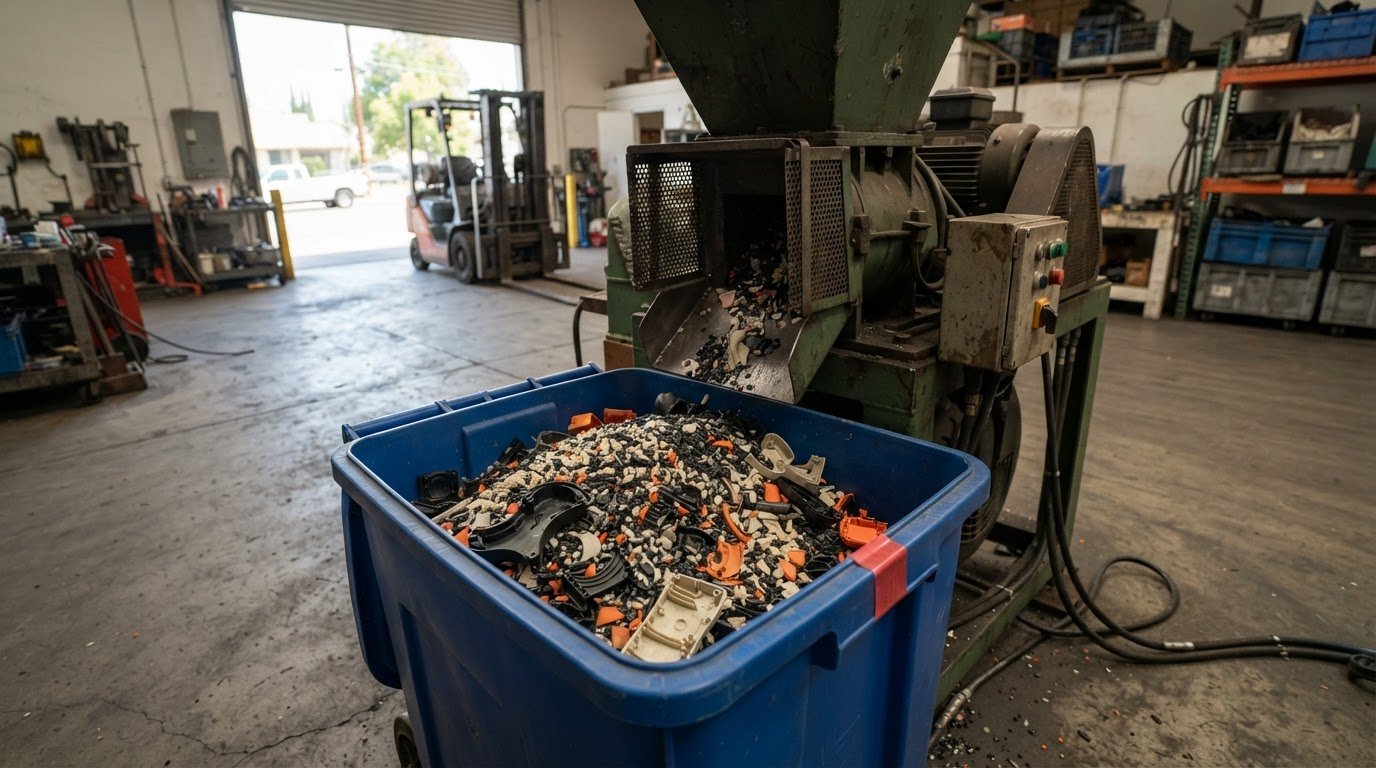
A certificate of destruction is the key record to ask about when prototypes, samples, or damaged or recalled stock must be taken out of circulation. Prototype destruction services in Westminster can provide a controlled way to destroy eligible products and document that the work has been completed. In Westminster, a certificate of destruction is issued for confidential waste that is destroyed.
Before arranging destruction, identify what the items are made of and what information they contain. Product samples, packaging, electronics, and confidential materials may need different handling. This guide explains how to define the items in scope, prepare a request, and understand what a destruction certificate records.
You’ll also learn how to prepare a destruction request and what factors can affect the service. That makes it easier to plan a secure, practical next step for stock you can’t reuse or sell.
Key Takeaways
- Identify the material and condition of stock or samples to understand what kind of destruction approach may be suitable.
- Learn what a certificate of destruction can document and why it matters for confidential waste.
- See how clear handling steps can help keep damaged, recalled, or inferior-quality products out of circulation.
- Discover when certified product destruction, electronics recycling, or scrap metal purchasing may fit your disposal needs.
Certificates of destruction
A certificate of destruction provides a written record that confidential waste has been destroyed. In Westminster, a certificate is issued for all confidential waste the service destroys.
Destruction Certificate Details
Use the certificate to document completed destruction, not to decide which materials should be handled. For example, identify a batch of branded prototypes and confidential product samples clearly in the service records. That connects the document to the specific stock removed from circulation.
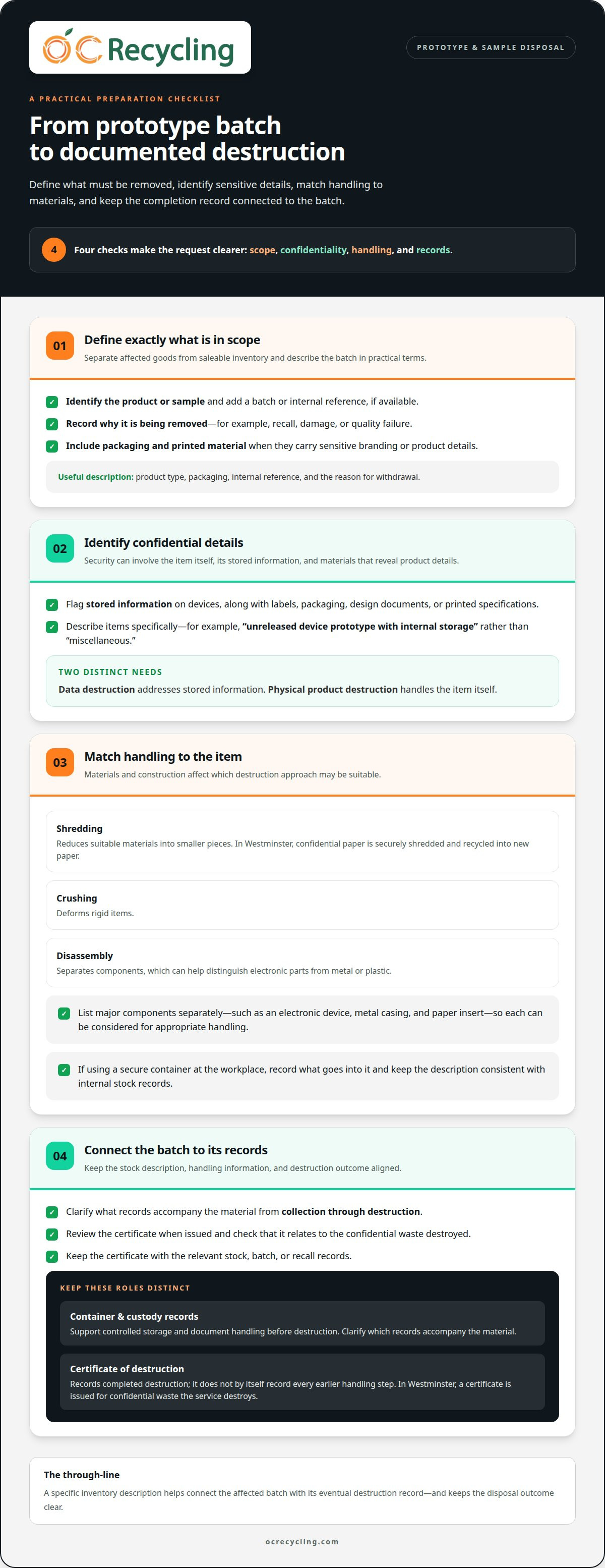
Before destruction, describe the batch in practical terms, such as product type, packaging, or internal reference. Review the certificate when it is issued and make sure it relates to the confidential waste destroyed. Keep it with the relevant stock or recall records so the disposal decision and its completion remain connected.
Secure Transport and Custody Records
Do Westminster prototype destruction providers offer secure transport and chain-of-custody documentation? A secure container can stay at a workplace until its contents are ready for disposal. A certificate documents completed destruction, but does not by itself record every earlier handling step.
For transport and custody, clarify what records accompany the material from collection through destruction. A container at the workplace keeps confidential waste together before disposal; the certificate records the completed destruction. They serve different purposes: the container supports controlled storage, while the certificate confirms the outcome.
For a sample batch, record what is placed in the container and keep the description consistent with internal stock records. This makes it easier to connect the product batch with its eventual destruction record. If the waste includes confidential paper, Westminster services securely shred it and recycle the paper into new paper. Keep the resulting certificate with the batch documentation to maintain a clear record of the outcome.
Destruction of damaged, recalled, or inferior-quality stock
Damaged, recalled, or substandard goods can pose a resale risk if they remain mixed with usable inventory. Start by separating affected items from saleable stock. For example, set a recalled product batch apart from current inventory and record its product name, batch reference, and reason for withdrawal.
Clear identification defines what the destruction process should cover. A cracked prototype, a misprinted package, and an item with a faulty component may need different handling depending on their materials and confidentiality. Keep packaging and inserts with the affected goods if they also carry sensitive branding or product details.
Before arranging destruction, organize the stock information into a simple inventory:
- Product or sample description
- Batch or internal reference, if available
- Reason for removal, such as recall, damage, or quality failure
- Whether packaging or printed material is included
This record helps distinguish the affected goods from other inventory and supports a clear account of what was removed. For confidential waste destroyed in Westminster, a certificate of destruction is issued. Keep that certificate alongside the stock record when it applies, so the disposition of confidential material is documented.
Material also matters. Separate electronic items, metal components, and paper packaging in the inventory description rather than treating every item as identical. Westminster services provide secure containers that can remain at a workplace until contents need disposal. For confidential paper, secure shredding is followed by recycling into new paper.
Destruction is especially relevant when resale, donation, or reuse could return defective goods to circulation or expose unreleased product details. A product with a faulty component, for instance, may need a different decision from an empty branded carton. First define the affected items and the reason for removal. This gives the destruction request a precise, useful scope.
Secure destruction of prototypes and samples
Choose a method based on the prototype’s materials, confidential content, and intended outcome. A plastic sample, electronic device, and paper mock-up each need appropriate handling.
Prototype Destruction Methods
Shredding reduces suitable materials into smaller pieces, while crushing deforms rigid items. Disassembly separates components, which can help distinguish electronic parts from metal or plastic. The right approach depends on the item’s construction and whether identifying features must be rendered unusable. For example, a branded sample may need treatment that prevents its packaging and product details from being reused.
Data Security and Confidentiality
Prototype security involves more than the physical item. A sample device may contain stored information, while labels, packaging, design documents, or printed specifications may reveal confidential details. Identify these elements before destruction and include them in the request. Data destruction addresses stored information; physical product destruction handles the item itself.
Use a specific inventory description, such as “unreleased device prototype with internal storage,” instead of a vague label like “miscellaneous.” This clarifies what needs protection and what the destruction record should cover.
Environmental Rules and Disposal
In Orange County, separate materials by type so their different properties can be considered during processing. An electronic prototype, metal casing, and paper insert are not interchangeable material streams. Identify components and packaging in advance. For example, list a device and its printed instruction sheet separately so each can follow an appropriate handling route.
Securely shredded paper can be recycled into new paper in Westminster. For mixed-material products, describe each major component so the disposal process can consider recycling where suitable.
Westminster Provider Selection
Westminster businesses should look for a service that handles product destruction and can explain how the requested items are processed. The available local information does not establish a complete provider roster, so avoid assuming every operator accepts prototypes. Key risks include incomplete item descriptions, unclear handling of embedded data, and records that do not identify the destroyed batch.
To arrange the work, prepare an inventory describing product type, materials, and confidentiality concerns. OC Recycling provides Certified Product Destruction and can document completed destruction of confidential waste. For example, describe a batch of electronic samples as both devices and branded packaging. A clear scope reduces the risk of leaving sensitive components or materials outside the destruction process.
What are prototype destruction services in Westminster?
Prototype destruction is the controlled disposal of product samples, trial units, or unreleased designs that should leave circulation. In Westminster, the service can include physical destruction and a record confirming destruction of confidential waste. A plastic housing, branded sample, and paper mock-up each present different handling needs.
Start by defining the items in scope. A request might cover a retired packaging mock-up but exclude reusable production equipment. Describe each item by product type, material, and whether it contains confidential information. This helps distinguish prototypes from electronics or other components that may need a different processing route.
Next, match the service scope to the items and intended outcome. A sample may need to be rendered unusable, while stored information on a device may require separate data destruction. A sealed sample with unreleased branding also raises a different confidentiality concern from plain scrap material. These details help determine the appropriate approach.
OC Recycling issues a certificate after destroying confidential waste. Secure containers can also remain at a workplace until their contents are ready for disposal. These options can support different workflows, from removing a one-time batch to collecting materials awaiting destruction. The certificate documents completed destruction; a container supports storage before disposal.
To prepare a request, group items by material and purpose, then describe what must be destroyed. Include examples such as “printed product mock-ups” or “electronic sample units” rather than a broad label like “old stock.” This makes the scope easier to understand and reduces the chance of overlooking packaging, inserts, or stored information.
In practical terms, prototype destruction services in Westminster address three connected needs: defining the stock, selecting suitable handling, and documenting the outcome when confidential waste is destroyed. Clear item descriptions make each step specific to the batch and its materials.
OC Recycling
OC Recycling provides Certified Product Destruction for businesses handling prototypes, samples, or stock they need removed from circulation. If items include electronics or scrap metal, Electronics Recycling or Scrap Metal Purchasing may also fit those materials. Start by describing what the batch contains and why it must be retired, such as an outdated sample or damaged product.
For confidential waste, keep the destruction record with the related stock documentation. This connects the disposal outcome to the items identified for destruction without treating every material as the same waste stream.
If you’re ready to discuss a suitable next step for your stock or samples, contact OC Recycling.
Set up a clear next step for retired stock
Before arranging prototype destruction services in Westminster, define which items should leave circulation and how they need to be handled. A focused inventory distinguishes confidential samples from reusable equipment or recyclable materials and gives your disposal plan a practical starting point.
OC Recycling provides Certified Product Destruction and handles related recyclable materials. Its other offerings include CRV Redemption, Scrap Metal Purchasing, and Electronics Recycling, which may suit separate materials in a project. Keeping each stream distinct helps you plan an orderly stock clear-out without treating every item as a prototype.
Choose the next step that fits your inventory and documentation needs. Contact OC Recycling about secure destruction to discuss the stock or samples you need handled. A clear plan can make retiring obsolete products feel straightforward, organized, and ready for what comes next.
Frequently Asked Questions
What types of waste can be accepted?
The right service depends on whether materials need destruction or recycling. OC Recycling handles product and data destruction, as well as recyclable CRV containers, scrap metals, electronics, cardboard, and paper. Businesses in Westminster and nearby Santa Ana, Anaheim, Costa Mesa, Huntington Beach, Orange, Irvine, Garden Grove, Fountain Valley, Tustin, and Anaheim can sort stock by its intended handling route. For example, separate recyclable packaging from proprietary products requiring destruction.
What types of prototypes and materials can local destruction services handle?
Destruction needs depend on an item’s composition and confidential content. A product-development kit might contain an electronic test unit, metal fittings, plastic housings, and printed sample inserts. Describe these components separately so OC Recycling can distinguish product destruction from data destruction and identify materials that may instead follow a recycling route.
